
More children are now seeking support for substance misuse than this time last year, according to statistics from the Office for Health Improvement and Disparities.
Figures from the National Drug Treatment Monitoring System suggest the number of children in drug and alcohol treatment has been rising since the coronavirus pandemic.
There were 16,212 children in alcohol and drug treatment between April 2024 and March 2025 – this is a 13% increase from the previous year (14,352).
Dr Will Haydock is the Chief Executive of Collective Voice, a charity working to improve England’s treatment and recovery system for people facing issues with alcohol or other drugs.
Discussing the latest National Drug Treatment Monitoring System statistics, he said: “The increase in people accessing support doesn’t reflect an overall increase in the number of people using drugs, which is well below its 1990s peak, and drug use amongst children has been on a pretty consistent decline since 2001.
“Multiple years of austerity had taken their toll on what had been a world-leading treatment system in England, and we’re now in the process of building this back up, so we have more accessible and effective services – and greater capacity – than a few years ago.
“So in some ways, the fact that more people are seeking support is positive – they are getting the help they need – and if we get the support offer right for children and young people we can reduce harm and prevent people’s use of substances escalating into dependency and other issues in adulthood.”
But the root causes of child substance abuse are complex.
The most common vulnerability reported by children was early onset of substance use (82%), which means the child started using substances before the age of 15.
Other factors recorded were being affected by others’ substance use (24%), unsafe sex (17%), and being affected by domestic abuse (18%).
A common thread reported among children was the connection between poor mental health and substance abuse.
Almost half of the young people receiving treatment reported a mental health treatment need; slightly lower than last year but much higher than 2018 to 2019, when 32% reported a mental health treatment need.
The most commonly used substance by those in treatment in 2024-25 was cannabis, with 86% listing it as a problem for them.
Alcohol use came in second at 38%, a dramatic fall from 68% fifteen years ago that reflects the broader trend of decreasing alcohol consumption among young people.
But some concerning new trends stood out.
Haydock said: “There are some specific trends related to substance use that are concerning, with a wide range of substances arguably more accessible than ever before through online marketplaces and social media.
“To look at one substance as an example, there are increasing reports of people suffering life-changing harm due to ketamine use, and the Government has commissioned a review of the harms associated with this drug, citing that use in young people aged 16-24 years has increased by 231% since March 2013.”
Analysis by King’s College London last year showed that deaths due to illicit ketamine use have increased twenty-fold since 2014.
Professor Dame Carol Black told the BBC that drug addiction should be treated as a chronic illness, adding: “We need to reduce the stigma that surrounds it, and that’s everybody’s business.”
Councils are responsible for funding and co-ordinating drug treatment locally.
Drug and alcohol misuse services in the London Borough of Richmond have been approached for comment.
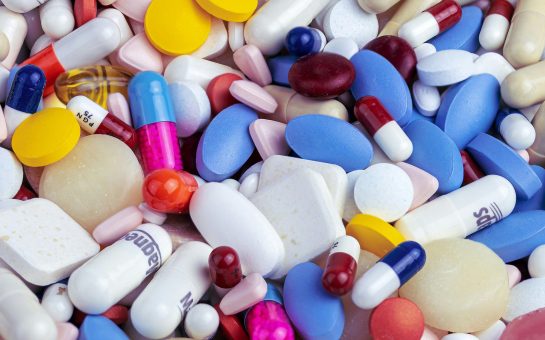
Featured Image: Illegal substances on the floor. Credit: MART PRODUCTION, Pexels.


Join the discussion