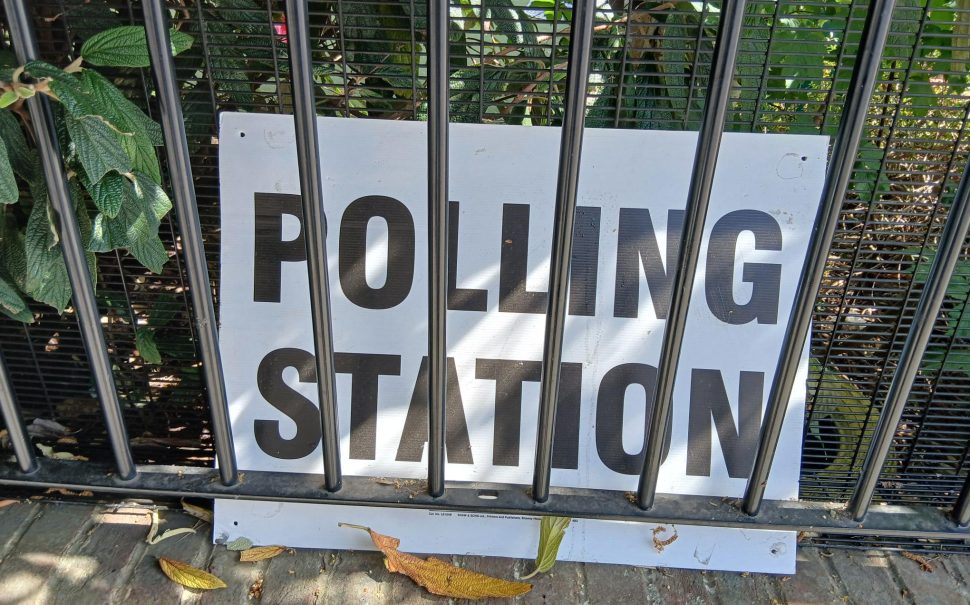
London boroughs which saw the biggest political shakeups at the May local elections saw an above-average increase in voter turnout.
Turnout increased across the entire city – at an average of 6.3 percentage points – after a slump in 2022, when all councils bar Tower Hamlets saw a drop in voters at the ballot box.
In 2018, average turnout across London was 39%, dropping to 35.5% in 2022 and surging to 41.8% this year.
National politics may have impacted voting choices and the choice to vote in the first place.
Despite the fact that council elections are for local councillors responsible for local governance, 2026’s polls could have been seen as a way for voters to voice their views on national politics.
Labour’s huge losses across the country were triggered the a slew of cabinet minister resignations and proposed leadership challenges.
The elections also measured the progress of Reform and the Green Party – something voters were aware of.
One Labour candidate noted that the national political challenges and foreign policy issues were important to voters he spoke to throughout his year of campaigning prior to election day.
“The government is pretty unpopular and that mobilised voters,” he said.
“The Green wave was another factor. There’s a cult of personality around Zack Polanski at the moment.
“Another factor was that across quite a broad demographic, the issue of Gaza came up a lot on the doorstep.”
Patricia Dubin, who voted in Labour stronghold Hounslow, voted for the first time this year.
“I think voting is always worth it, it’s a responsibility and a privilege” she said.
“As an immigrant, the rhetoric I hear from the right-leaning parties is borderline scary.
“From the ‘stop the boats’ initiatives to the proposed changes of visa rules, the narratives about immigrants are getting more hostile.”
Dubin said that from personal conversations, she got the impression many people voted tactically to send a message.
She added: “There is a sentiment of ‘any alternative is better than Reform’.”
This year, Havering, Haringey, Waltham Forest and Lewisham saw the most dramatic changes in their council’s political makeup, and each of these boroughs saw turnouts at least eight percentage points higher than in 2022.
Not only did these boroughs see their previous controlling parties driven out, but they saw national insurgent parties take control or become the largest party.
In Havering, Reform bulldozed the competition, winning 39 seats and a comfortable controlling majority.
The Havering Residents Association and Labour, which operated a leadership coalition, now have 13 seats between them, and the Conservatives, previously the borough’s largest party, was left with without a single seat.
Waltham Forest and Lewisham became the Green Party’s first two London councils, replacing Labour, and the Haringey Greens fell just one seat short of a controlling majority.
There are exceptions: Bexley, Bromley and Barking and Dagenham also saw dramatic increases in turnout – between 13 and 9 percentage points – but remained politically stable.
Boroughs where turnout changed the least saw relative stability – Labour may have lost control but not by a significant amount, and insurgent parties failed to take significant ground there.
Another first-time voter was Alexia, a Hammersmith and Fulham resident.
She said: “I had been living in the UK for six years almost, and, not being a UK citizen, I just assumed for the longest time that I couldn’t vote in any elections in the UK.
“It was only by receiving something about registering to vote in the post that was addressed in my name that I realised, wait, I can actually vote in the UK.
“I’m quite passionate about politics, so I was very keen to.”
Her second reason for voting was due to the current political landscape in the UK and more broadly, which Alexia said “feels very volatile”.
“Casting your vote nowadays is really more important than ever,” she said.
“On a local level, I also wanted to support my local Green Party members and help the Green Party grow in a country that has been primarily bi-partisan.”
Becky, who moved to London from Manchester last year, wanted to have an impact on her local community and impact national politics.
She voted in Wandsworth, where Labour lost its majority to no overall control.
The council is now split almost evenly between Labour and the Conservatives.
“The main thing is I want to stop Reform getting in,” she said.
“My borough was led by Labour at the moment and they’re doing a great job, and the candidates seemed great.
“I did feel like a lot of people felt this election was quite significant, and that did come into truth when Reform did win so many votes and everyone was really surprised. I know people who were regretting that they didn’t vote.”
Note: No 2026 turnout data was available for Sutton.
Join the discussion