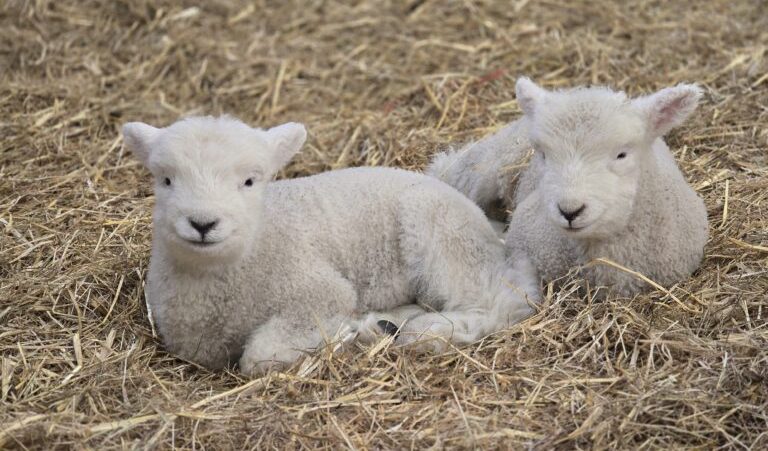
A London city farm is warning of a possible deadly disease outbreak after a drought left its wildlife pond at its lowest-ever level.
Workers at Stepney City Farm, in Tower Hamlets, are concerned their livestock could be struck by bluetongue, a midge-borne virus that can be fatal to sheep and goats.
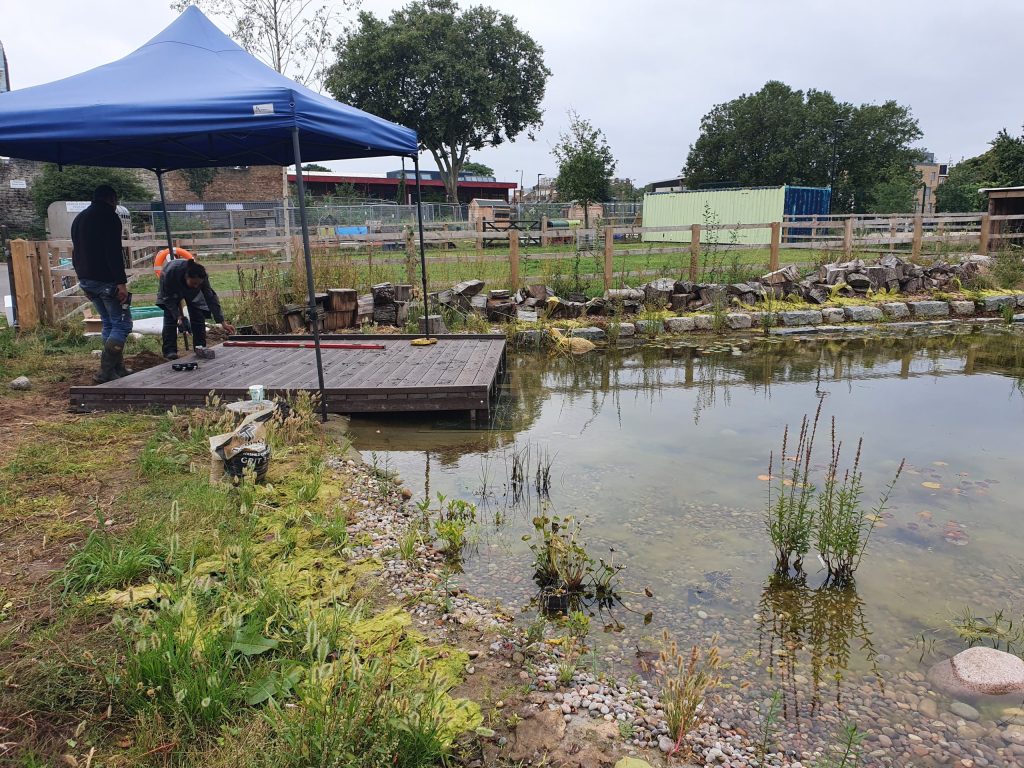
The risk comes after the farm’s wildlife pond reached its lowest-ever level. The low water level, along with high humidity and a decline in dragonflies, has led to a sharp increase in the midge population.
“We thought last year was bad, but this year has taken the cake,” said Emily Carter, the site’s farmyard manager. “We’re terrified it will lead to an outbreak.”
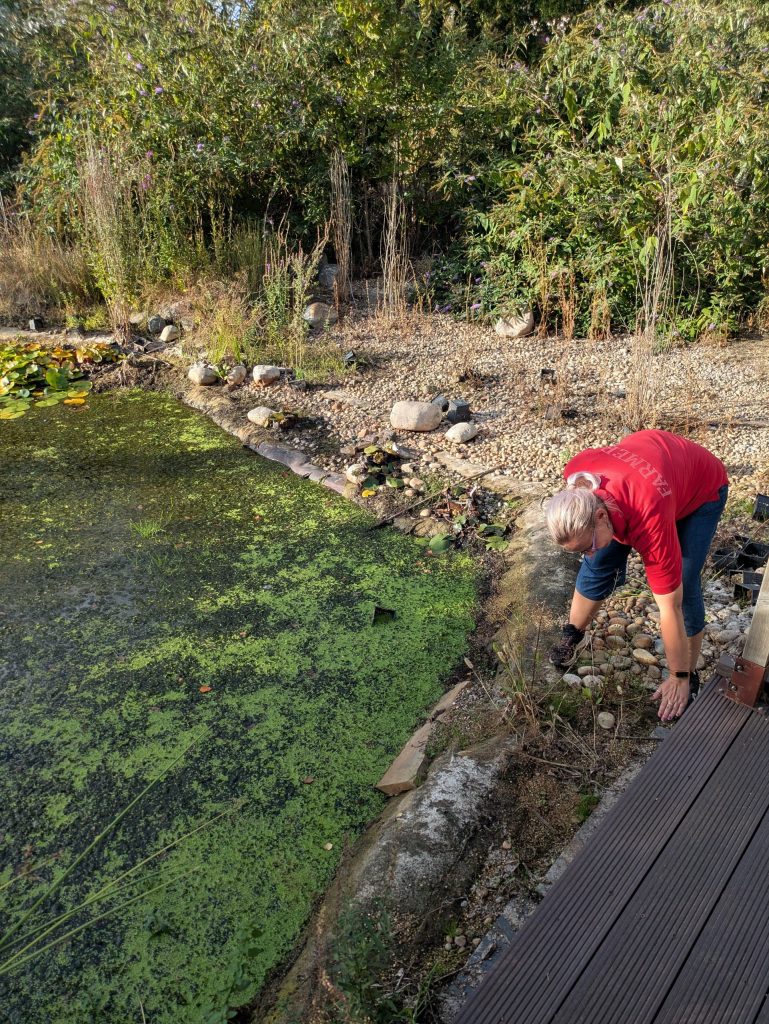
London, along with more than two-thirds of England, has been in drought since 29 July. The dry conditions mean the pond, which holds up to 29600 gallons, has now lost 35% of its water.
The bluetongue virus affects animals like goats and sheep and was first recorded in England in 2007. More than 1000 cases have been recorded on UK farms since August. It does not affect humans.
Carter warned that if infection was confirmed, it would have serious consequences.
“Thank God we’ve had no infections because it would kill the flock,” she said. “Financially, we’d have to look at replacing them. We wouldn’t be able to sell meat, and our lamb sells out like hotcakes.”
Hugh Broom, the National Farmers’ Union East livestock chair, confirmed this summer’s high temperatures have led to the country’s worst-ever bluetongue outbreak, currently centred in south-west England.
“I don’t think it’s a case of ‘it may not come to us’ because that’s what farmers in the south-west thought earlier in the season,” said Broom.
He warned: “The most important thing is vaccinate, vaccinate, vaccinate. It should cost between £100 to £150 for a 50-dose bottle. It’s a lot of money but when we look at the value of the animals, it’s good value.”
But Kate Bygrave, Stepney City Farm’s education programmes manager, said city farms are challenged by the cost of the vaccine.
“Selling the vaccine in 50-dose bottles makes it prohibitive to small flocks,” she said. “It doesn’t make sense financially to get the vaccine and waste most of the bottle to vaccinate five sheep.
“We’re a fairly beloved part of the community. We get good donations. We will cope. It’s not ideal, but we’ll manage.”
Featured image credit: Stepney City Farm


Join the discussion