The next time you sit down for dinner at one of your favourite London restaurants and notice a £1 optional donation on your bill, it might be worth saying ‘yes’.
That single pound is part of something much bigger and this summer, it matters more than most people eating out are likely to realise.
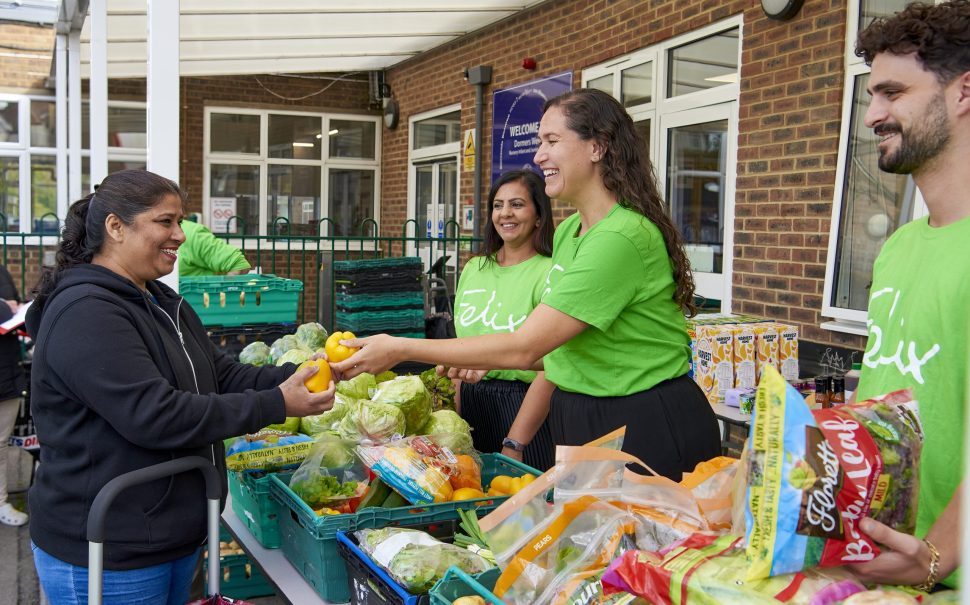
Restaurants Feed London is an annual fundraising campaign run by Felix – the newly-merged charity formed from the Felix Project and FareShare – which was launched on World Hunger Day on 28 May and runs through to 31 July.
This year, 56 restaurants have signed up across the capital, each adding an optional £1 donation to customer bills. It is only the campaign’s fourth year running and it has grown every single time.
Charlotte Neal, Felix’s PR and strategic communications manager, said: “Any restaurant that is taking part will add a £1 optional donation onto their bill, so it means when a diner is presented with their bill, there’s the option to add that £1.
“Then, at the end of the campaign, what we do is we collect all of the money that each of the restaurants has raised, we put it all together, and it helps us with our operational costs to rescue food and redistribute it to organisations – not only in London now, but across the UK.”
The model is deliberately simple, but the scale of what it can achieve is not.
The Felix Project has been redistributing surplus food from London’s restaurants, supermarkets and food businesses since 2016, when it was founded in memory of Felix Byam Shaw, a teenager who died suddenly from meningitis at the age of 14.
In the years since, it has grown into one of the capital’s most significant food charities, operating four depots, running 45 vans and working with around 300 food businesses to deliver meals to more than 1,200 community organisations including food banks, homeless shelters, primary schools and school holiday programmes.
In 2025, the charity redistributed enough food to provide 44 million meals, the equivalent of 18,000 tonnes of surplus food worth an estimated £88million saved from going to waste.
However, the reason demand is high enough to sustain them is less comfortable to sit with.
One in three working parents across the UK has struggled to feed their children in the past year. In London, food insecurity has risen sharply, with roughly one in ten households now affected.
These are not people who fell through every possible net at once. Many of them are working, and many of them live in the same neighbourhoods as the restaurants participating in this campaign.
The summer months bring particular pressure of their own.
Neal said: “When that school is closed, kids are often missing out on a breakfast club, they’re missing out on that free school meal, so that burden is back on the parents to have to pay for.
“So you’ve got during those summertime and over that summer period, people do feel the squeeze even more.”
What that looks like on the ground can be seen at Bow Food Bank in Tower Hamlets, where Felix deliveries arrive twice a week.
“In terms of Felix, they are an amazing partner of ours,” Caroline Stuart-Freas, who runs the food bank, said.
“We get two deliveries a week from Felix and we actually pick up because they gave us a van.”
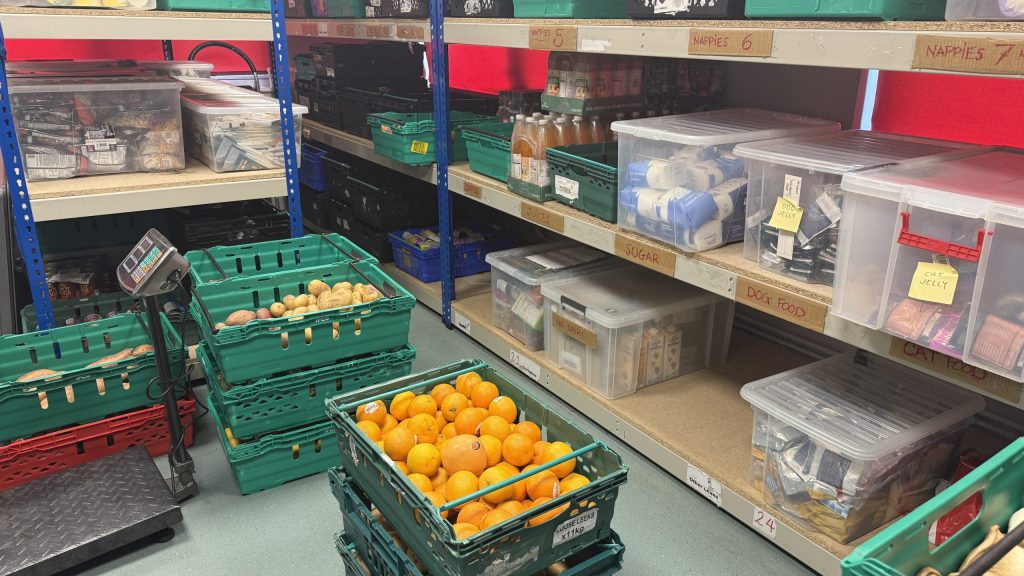
The fresh fruit and vegetables Felix provides are not an add-on, she says, but a core part of the food bank’s offering.
Felix deliveries also stock the food bank’s fridges and freezers with frozen meat and fresh items that would otherwise be out of reach.
Stuart-Freas said: “It’s very important to give fruit and veg out, and if Felix, for some reason, stopped giving us fruit and veg tomorrow, we would have to start buying it.
“It’s a very important part of what we do.
“They give us so much food, and we get it out. I think they like us because if they bring it in, we get it out pretty much fast.”
Bow Food Bank sees around 100 people on a Friday morning alone and demand follows its own rhythms; quieter in half-term heatwaves, surging in the lead-up to school holidays and Christmas.
Chrystabel Austin, who has been a volunteer since 2017, has watched the need deepen over time.
People are “struggling for sure,” she says, and not only financially.
Isolation, she believes, has taken its own toll since the pandemic.
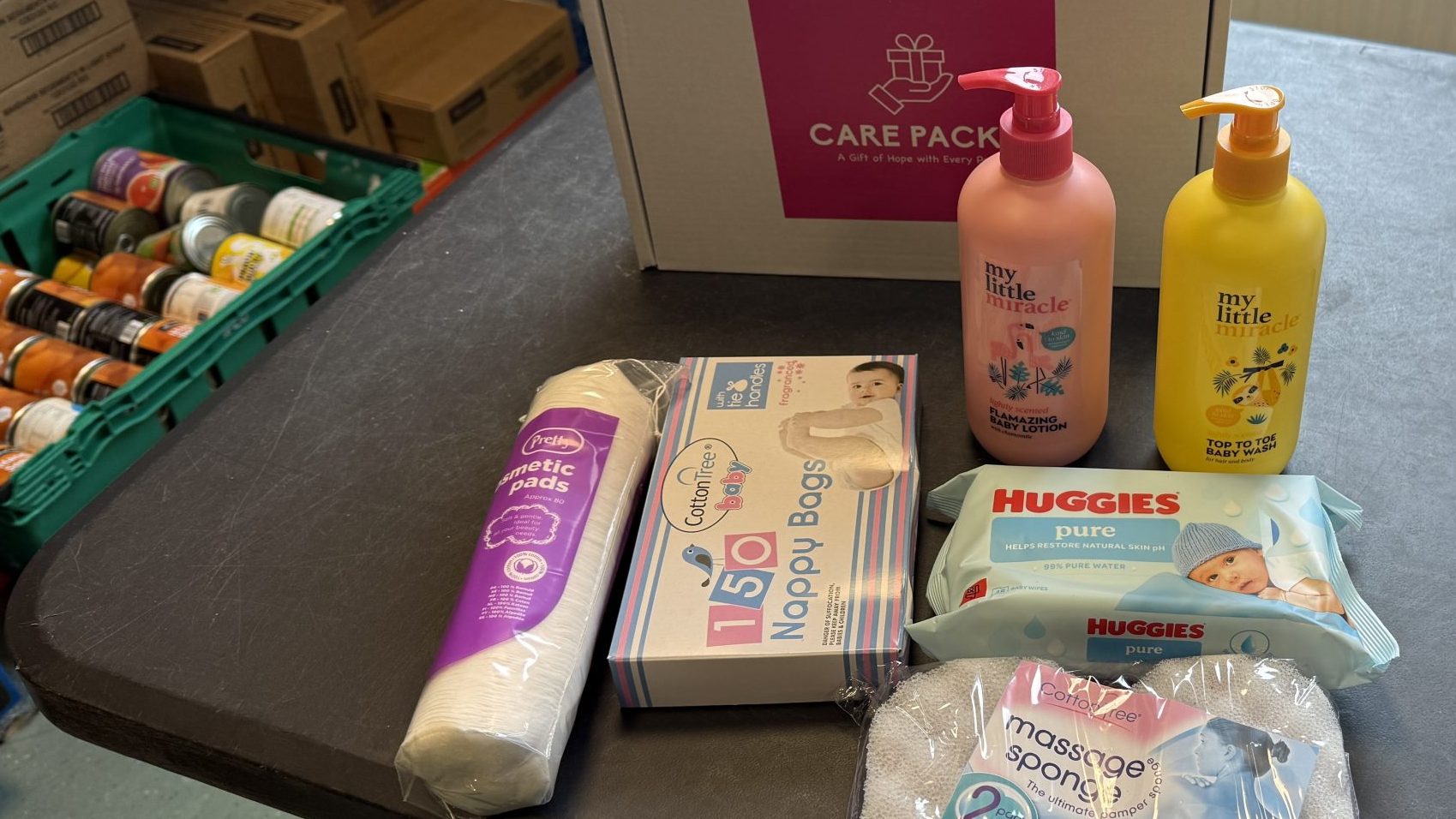
But what strikes you at Bow is that the food is only the start.
Stuart-Freas said: “When someone comes through our doors and they open up to us, they’re facing six issues we have to help them with.
“First of all, we have to be a safe place where they will tell us what’s going on. A lot of the time it’s piled up and it’s so overwhelming, and the one thing we can do immediately is address the hunger.
“It’s like, ‘let us give you food.’
“People like coming here because we know their name and we’re their neighbours.”
From there, the team helps guests with homelessness, benefits advice, mental health support and GP appointments.
Restaurants Feed London is now in its fourth year.
Last year, 67 restaurants took part, among them Gymkhana, Kitty Fisher’s, Spring and all five London sites of Local & Wild by the Gladwin Brothers.
Together, they raised enough to fund the equivalent of 184,000 meals. For every £100 raised through the campaign, The Felix Project can provide 270 meals.
For restaurants, signing up requires relatively little. They activate a donation button on their till system, collect whatever customers voluntarily contribute over the course of the campaign and transfer the total at the end of July.
For diners, it is even simpler. You see the £1 option. You say yes or no, entirely up to you. Most people, when they think about it, can afford a pound.
Not everyone the campaign is trying to reach can say the same about a meal.
The campaign runs until the end of July. Participating restaurants are listed at on the Felix website.
Restaurants wanting to sign up can also do so via the same page.
Feature image: Felix
Join the discussion