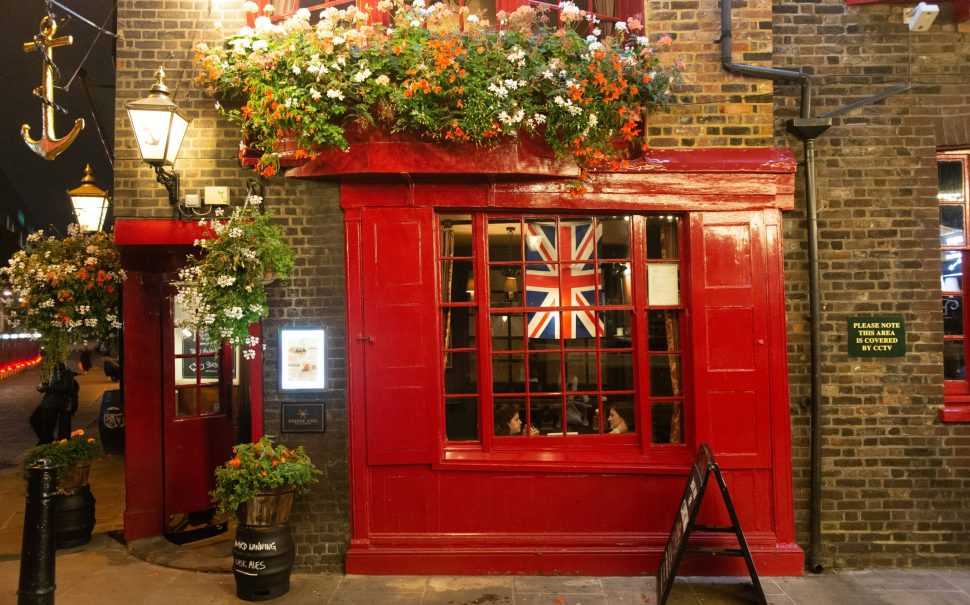
The introduction of the 2007 ban on smoking indoors is often credited with contributing to the closure of thousands of London pubs.
Overnight, smoke-filled rooms, ashtrays on every table and smoke clinging to your clothes the next morning became a thing of the past.
The impact of the ban on pubs was immediate, with smokers forced outside, regulars visiting for shorter stints, and a rapid decline in the spontaneous “one more pint” culture that was synonymous with the early noughties.
Pub worker Olivia Farquharson said: “I don’t remember pubs before the smoking ban myself, but older regulars would describe them as informal and relaxed social spaces, rather than places solely focused on drinking.
“From working in pubs more recently, it feels the balance has shifted to something more transactional and drinking led, with less emphasis on atmosphere.”
The data reflects this shift, with reports from 2007 indicating falling beer sales and reduced footfall.
According to market analysts Nielsen, on the one-year anniversary of its introduction, around 175 million fewer pints had been drunk as a direct result of the smoking ban.
Speaking to The Publican newspaper, Jake Shepherd, marketing director at Nielsen, said: “The winter months were particularly bad.
“Sales fell 9.3% through November to January, when smokers would have been reluctant to stand outside in the cold to have a cigarette.”
Data from the Inter-Departmental Business Register, which produces a snapshot in March of every year, shows a clear decline in the number of London pubs, with 1,310 fewer pubs in 2024 than in 2001, a 27% reduction.
A sustained decrease from 2008 onwards can also be seen, levelling out around 2015 as the number of pubs in London started to remain relatively constant.
The impact of the smoking ban can be seen more clearly across England as a whole, with data from the Inter-Departmental Business Register showing that 11,295 pubs closed between 2001 and 2024.
The greatest decrease occurred between 2008 and 2009, when 2,600 pubs shut, a 6.1% reduction in the space of just 12 months.
As the dataset runs from March to March and the ban was introduced in June, 2008-09 therefore represents the aftermath of the ban more accurately than 2007-08.
Although there was a decline in the number of pubs before 2007, this trend was compounded by the smoking ban, which drove away casual drinkers and accelerated a shift towards drinking at home.
According to the data, it was pubs outside of London which were hardest hit by the ban, as they were the most reliant solely on drink sales.
The ban had an uneven impact, with pubs unable to offer food or those with older, smoker-heavy regulars, faring the worst and struggling to adapt.
The increasing availability of cheap supermarket alcohol also contributed to the shift away from the pub too, with small, working-class, traditional pubs the most likely to suffer the consequences.
Many regulars who once smoked and drank inside simply cut back on visits, and this shift, combined with competition from cheap supermarket alcohol, contributed to closures.
London pubs, with a younger and more affluent demographic of regulars, and a greater reliance on tourism, were able to adapt more easily.
Investing more heavily in food, kitchens and beer gardens allowed many pubs to shift their target audience and attract more families, more women and more non-smokers.
However, this adaptation required capital, which not all pubs could afford.
Across London, pubs were still hit, yet one borough has subverted this broader decline.
Hackney is the only London borough where the total number of pubs has not declined since 2001, instead recording a 32% increase, equating to 50 more pubs in 2024.
This is despite neighbouring boroughs such as Islington, Tower Hamlets and Camden seeing declines of 13%, 27% and 17% respectively.
The number of pubs in Hackney fell following the smoking ban, dropping to 125 pubs in 2008 from 155 in 2001, but it has since rebounded to 205 pubs, demonstrating the strength of demand in the area.
Back in 2014, Vogue named Hackney as one of the coolest areas of London, with the borough encompassing areas such as Dalston, Shoreditch and Hackney Wick, all of which are becoming increasingly popular with young professionals.
The increasing gentrification and strong sense of community identity, alongside the diverse population may have led to the borough becoming a pub destination with many shuttered pubs reopening and new businesses launched by incoming operators.
The 2026 list of Britain’s best gastropubs, published earlier this week, acknowledged four pubs in Hackney borough within the top 100.
The Estrella Damm Top Gastro Pubs 2026 listed Hackney pub The Marksman at number 23, The Knave of Clubs at 43, The Clarence Tavern at 78 and The Lady Mildmay just making the top 100 at number 83.
A single visit to Hackney lets you experience four of the UK’s top 100 gastropubs and see the changing nature of the country’s pub scene for yourself.
Feature image: Free to use from Unsplash


Join the discussion