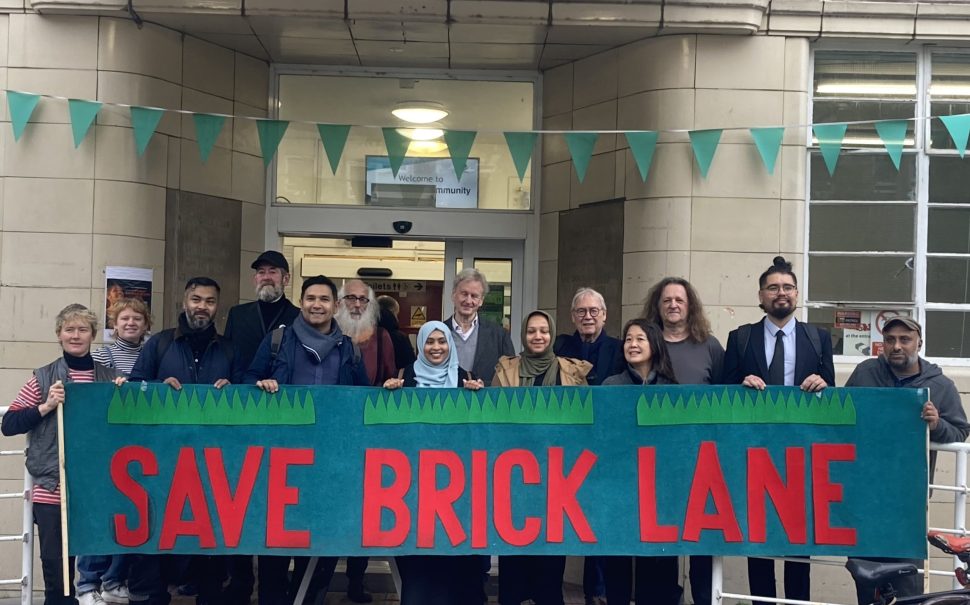
A development plan on the Old Truman brewery site in Tower Hamlets that has been widely protested by the residents of the area is yet to be decided upon, and consequences could be significant for them.
While the proposed plan includes a data center and office developments, it has been criticised for its lack of housing provision, in a borough which counts over 28,000 households on the housing waiting list, and suffers from overcrowding.
Jalal Rajonuddin, 66, who has been a community activist since the 1970s, said: “We don’t need shopping malls, we don’t need data centres, we need affordable housing.”
The plan was initially refused by Tower Hamlets Council in July 2025, before being ‘called in’ by Secretary of State for Housing, Communities and Local Housing Steve Reed during the appeal filed by the Truman Brewery in October 2025, removing the final decision from the inspector of the enquiry.
While campaigners of the Save Brick Lane campaign are relieved about the overruling of what they considered the bypassing of local democracy, it is still unclear whether the development plan will come to be.
Lack of housing – the main objection to the development plan
The local council has since proposed a new local plan for Tower Hamlets, prescribing a large amount of social housing should be built, including on the Truman Brewery site.
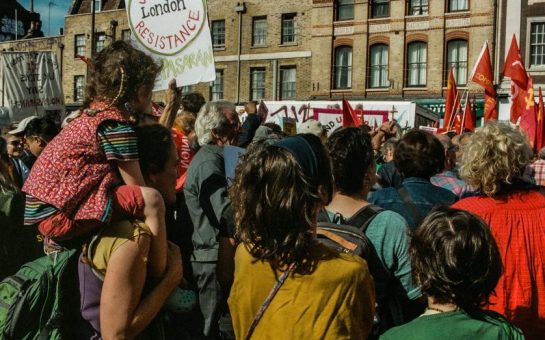
The public enquiry saw many actors taking the stand to object to the development plan, including residents, heritage groups, and the council.
Campaigners argued that the level of affordable housing proposed was inadequate for a borough facing acute housing pressure, with many families forced to live in the same flat for lack of affordable options to move out of overcrowded flats.
In July 2025, there were over 13,209 households living in overcrowded conditions in Tower Hamlets, with 2,668 severely overcrowded, according to the council’s website.
With the borough’s population expected to rise from 323,000 in 2022 to 389,000 by 2032, Tower Hamlets is the fastest growing local authority in the UK, making housing a crucial issue for the borough.
Deba Malique, who has been living in a one bedroom flat with her husband and son since he was born 10 years ago, said: “The first thing that is detrimental for the community is lack of housing.”
“I chose not to have any more children because of my home situation.”
Alec Forshaw, expert witness in the public enquiry, and trustee of the Spitalfields Trust foundation, said: “The six social housing units proposed by the Truman agency are pathetic.”
“They don’t really care that it tramples all over the Bengal community.”
He said the proposal plan includes many gated sites, which would be closed at night, effectively barring the community from enjoying them.
Furthermore, the plan will also include shops catered to the office workers, thus greatly limiting any positive knock-on effect on commerce in Brick Lane beyond the brewery sites.
The Bengal heritage at risk from the rise of living costs
Other concerns include the rise in living costs that the development plan would trigger for the residents of Banglatown, and the risk to the Bengal heritage of the area.
Malique said: “We’re seeing a lot of corner shops or the local super grocery shops that are closing down because the rent prices have gone high.
“The development of the area is now going to increase costs.
“There’s no concession for the residents of Banglatown.
“We get nothing, we are the losers.
“We know that the plan is all about the business and the money, nothing about us.”
Malique said that for British born Bengalis like herself, “our heritage starts where we were born”.
She said: “We don’t know anything about Bangladesh, although we seek knowledge, but home is here.”
Saif Osmani, founder of the Bengali East End Heritage Society, said: “By having the city step into the East End, you’re destroying the social value, cultural value, heritage values of Brick Lane, all of that for what? Some kind of financial gain.”
What comes next?
While the Tower Hamlets council rejects the The Truman Brewery development plan in favour of its own, housing-focused plan, a decision is yet to be made by Secretary of State Steve Reed.
Until then, the future of one of East London’s most recognisable historic sites remains uncertain.
For local campaigners, the delay has extended a battle that has now stretched over five years, as they await a final decision that will shape Brick Lane for decades to come.
The Truman Brewery was contacted for comment.
Featured image credit: Alexandra Herlaut Reinhardt

Join the discussion