Every year, billions of pounds flow from the UK to Bangladesh in family remittances, sent one transfer at a time, with little idea of where it ends up.
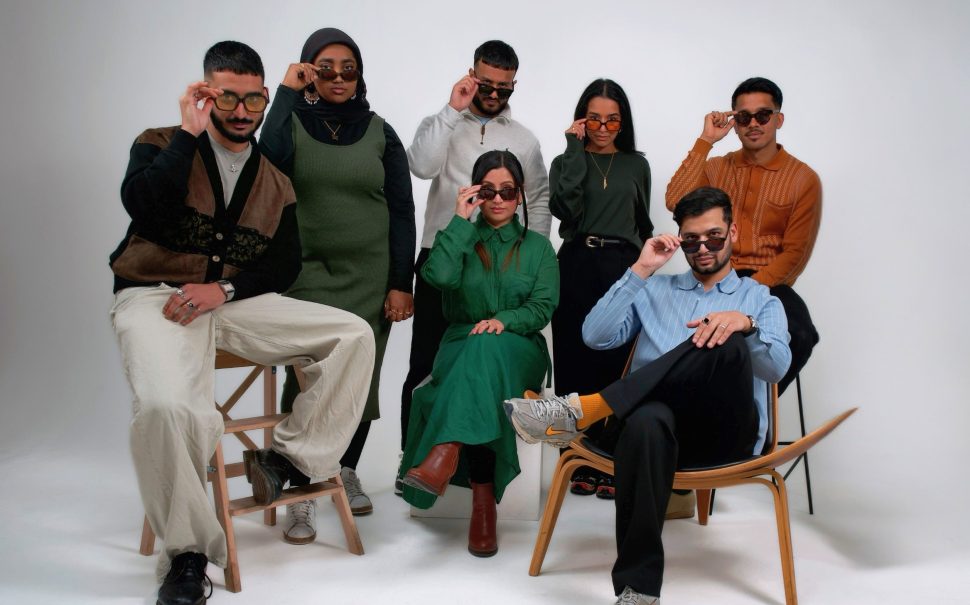
A group of young British-Bangladeshi volunteers think they’ve found a better way – pool it, vote on it and track every penny.
Mahian Rab was living in Manchester, not long out of university and not earning much, when his mother asked him to start sending money to family in Bangladesh.
He did what thousands of British-Bangladeshi households do every month, but the money disappeared into silence.
Rab said: “I always hear someone’s ill, someone’s got a visa application, someone’s got XYZ.
“You give that money and I’ve never heard back what’s happened. I don’t know if they’re alive, if they’re dead, if they managed to get to Canada or not.”
His parents were the connection to Bangladesh. They knew the village and the context.
Rab said: “Once they go, then what happens? There’s a gap there and the bridge is broken.”
That broken bridge is now the founding problem of Pushpa, a volunteer-run non-profit based in London.
Its model is simple. Members of the Bangladeshi diaspora contribute a few pounds a month into a collective fund, then vote democratically on which vetted economic development projects in Bangladesh receive the money.
Every transaction in and out of the organisation’s bank account is published on a live ledger on its website.
On 16 June, the United Nations marked International Day of Family Remittances and this year’s campaign carries a pointed message.
Migrant workers sent an estimated $685billion (around £500billion) back to low and middle-income countries in 2024 – a sum the World Bank notes is larger than foreign direct investment and overseas aid combined.
Yet the UN’s 2026 theme argues this money is still “an underleveraged source of private finance,” with only around a third reaching the rural areas that need it most.
This year’s call to action is explicit – remittances should drive “rural resilience, entrepreneurship and employment”, not just cover household bills.
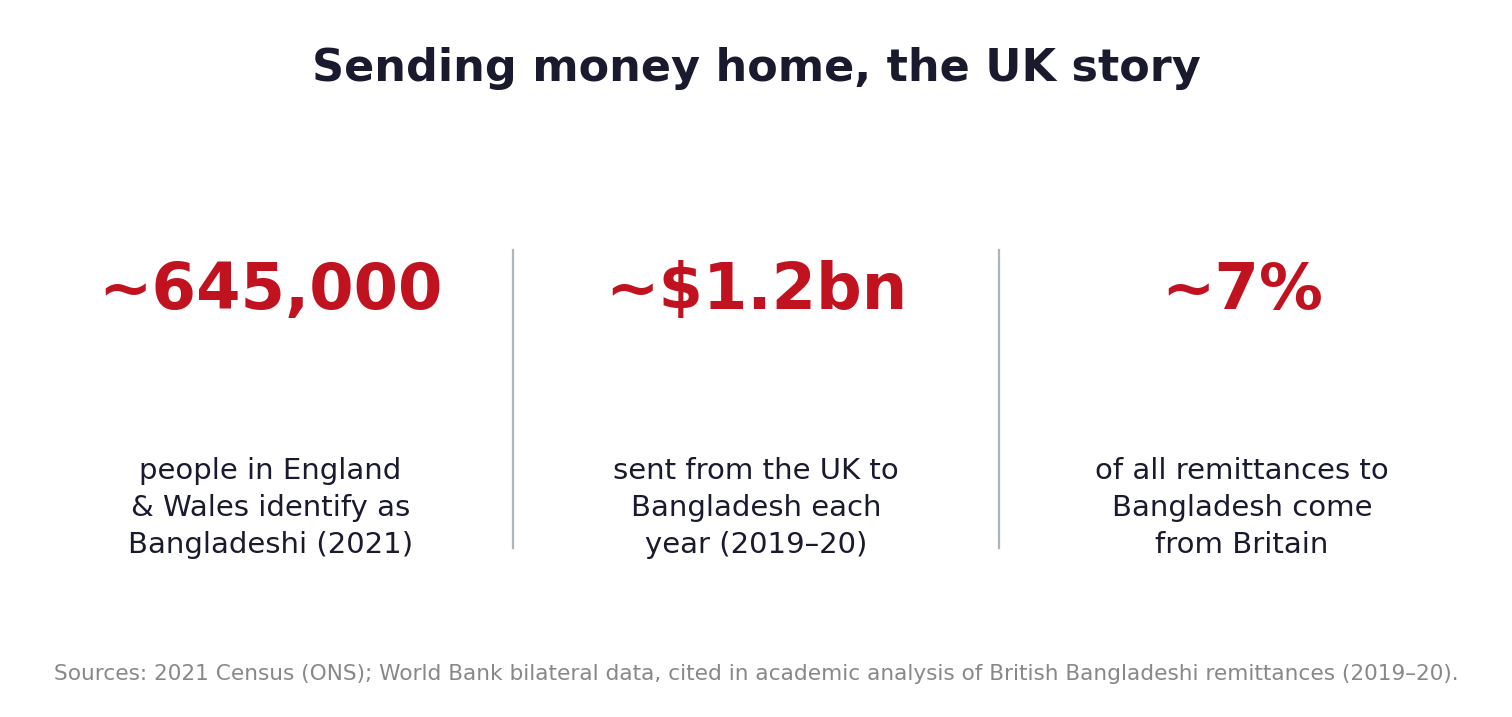
Few countries have more at stake than Bangladesh. Its expatriates sent home a record $32.8billion in 2025, up 22% on the previous year, according to Bangladesh Bank data.
It is, almost word for word, what a group of volunteers in London have spent the past two years building.
The gap the UN is pointing to is partly about cost and partly about purpose.
Sending money home remains expensive and the global average cost of a $200 transfer sat at around 6.4% in 2024, more than double the 3% target the UN set for 2030.
But the deeper challenge is what the money does once it lands.
IFAD, the UN agency that leads the campaign, frames diaspora capital as a resource waiting to be unlocked.
IFAD president Álvaro Lario said: “Making the most of remittances and diaspora investments can, paradoxically, curb the need for more to migrate. “These flows are great contributors to the wellbeing of millions.”
Pushpa’s bet is that the diaspora itself can do the unlocking.
‘A bunch of misfits’
Before Pushpa funded anything, it asked questions.
Rab’s original idea was a crowdfunding platform for investing in Bangladeshi businesses but a survey of the global diaspora, suggested by co-founder Farah, changed the plan.
The desire to connect and give was overwhelming. So was the obstacle.
So they pivoted to a non-profit built around a single organising principle of proving it.
Indeed, prospective partner NGOs go through a due diligence framework before a project ever reaches the members for a vote.
Rab describes a recent case involving a well-known Bangladeshi NGO which submitted a budget for a rickshaw project.
When Pushpa offered to fund one additional recipient, the NGO instead inflated the price of each rickshaw.
He said: “We got people out in Bangladesh to check the prices.
“Turns out they’d increased the prices by at least 80, 90%, which is nuts.”
The organisation’s first paid hire, in a team otherwise made up entirely of volunteers, started this month.
Rab is based in Bangladesh, and his entire job is visiting project sites and confirming what partners report is actually happening.
Rab said: “There’s so many other things we could pay for.
“But the first person, I think, indicates what we’re all about.”
For Zaynab, who leads Pushpa’s marketing, the trust problem demanded radical transparency.
She said: “All those accusations get thrown around, that charities misuse funds, that people back home can’t be trusted.
“There isn’t any more evidence we can give other than giving you access to our live ledger of everything going in and out of the bank account.
“We know it’s a difficult and delicate thing to trust a bunch of misfits on the internet to handle your money.”
Zaynab’s own route to Bangladesh is extraordinary.
Her father was born there, orphaned at three and adopted by a family in Pakistan, while she grew up in Saudi Arabia knowing a piece of the family identity was missing.
Six years ago, her father received a phone call from a half-brother in Bangladesh who had been searching for him for five decades.
Pushpa said: “When he came back and told us, actually, guys, we’re from Bangladesh, I had no idea what to do with my identity.
“I was really proud to be Bangladeshi, but I didn’t know what it meant.”
Pushpa, she says, became the medium. And that, she argues, is what the £3-a-month subscription really buys.
She said: “It’s about connecting with people who are just like you, who feel like misfits, who don’t feel Bangladeshi enough, who don’t feel British enough.
“Your five pounds becomes your contribution to building your bridge towards back home, a bridge that’s not reliant upon a generation above us.
“We’re not talking about food and education. We’re talking about projects where, with that six pounds, these people won’t need a further six pounds after that – because they’re setting up businesses, they’re working on income. We’re investing in the long term.”
On the ground
Nothing illustrates the approach better than the project the team simply calls Khanum.
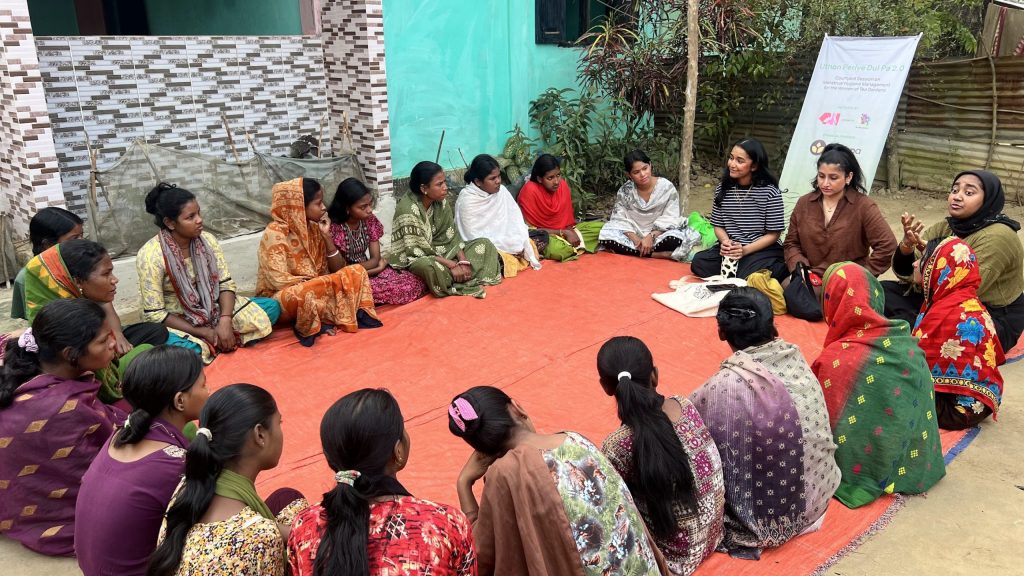
On a trip to Dhaka with partner NGO Give Bangladesh, the team was introduced to Rina, a woman who was sold to a brothel at the age of eight after being promised an education in the capital.
She eventually earned her way out by teaching herself to sew, and then began training the women still inside.
Zaynab said: “She’s the most empowered, badass, rebellious woman you’ve ever met.
“The one thing she kept saying is that she feels responsible to protect these women and their children.
“Sex work is not often a choice for them.”
Pushpa’s members funded skills training for women exiting sex work through Rina’s project.
The next phase is more ambitious – a dedicated garment factory where the women can work without the discrimination they face in public factories because of their backgrounds and secure contracts without bias.
The project pairs Rina with Rokeya, a Bangladeshi fashion founder, in what Zaynab describes as a “powerful through line” with two women using garments as a route to choice.
Zaynab added: “I think we all cried on that first call when we pitched it to her.”
Beyond the wire transfer
Not everyone got it at first.
Farah, who built Pushpa’s website and runs its voting mechanics, remembers the early reception with a laugh.
She said: “At the start, a lot of people just didn’t understand what we were doing.
“You’d have Bengali uncles just be like, ‘so how can you make money from this? What’s in it for you guys? Are you not making profit?’ And we’re like, ‘no, that’s not how it works.'”
The scepticism has faded as the model has proved itself.
Farah said: “My mum, for example – she’s such an OG supporter.
“From day one she’s always hyped us up.
“It’s been really nice, that journey from no one understanding what we’re doing to now – they’re fully on board.”
Pushpa is not really competing with charities, but the wire transfer.
It’s the £50 a month which flows quietly from British bank accounts to relatives in Sylhet and Dhaka, the model their parents built, and the one the UN now says must evolve.
For Kaynat, a member since Pushpa’s early days, that generational shift is exactly the gap the model fills.
She grew up visiting Bangladesh regularl,y but knows she is the exception.
Kaynat said: “As newer generations of the diaspora grow up, that physical connection to Bangladesh naturally becomes more distant.
“The connection is still there, but it’s one of heritage rather than community.”
That distance, she argues, is what makes the old way harder.
Kaynat said: “For our parents and grandparents, sending money back home meant supporting people and places they knew personally.
“For many of us, it’s harder to know where our money can make the biggest difference.
“By pooling our resources, we can back sustainable projects that spread value to people who can genuinely benefit from it and do so with far greater confidence and transparency than we could individually.”
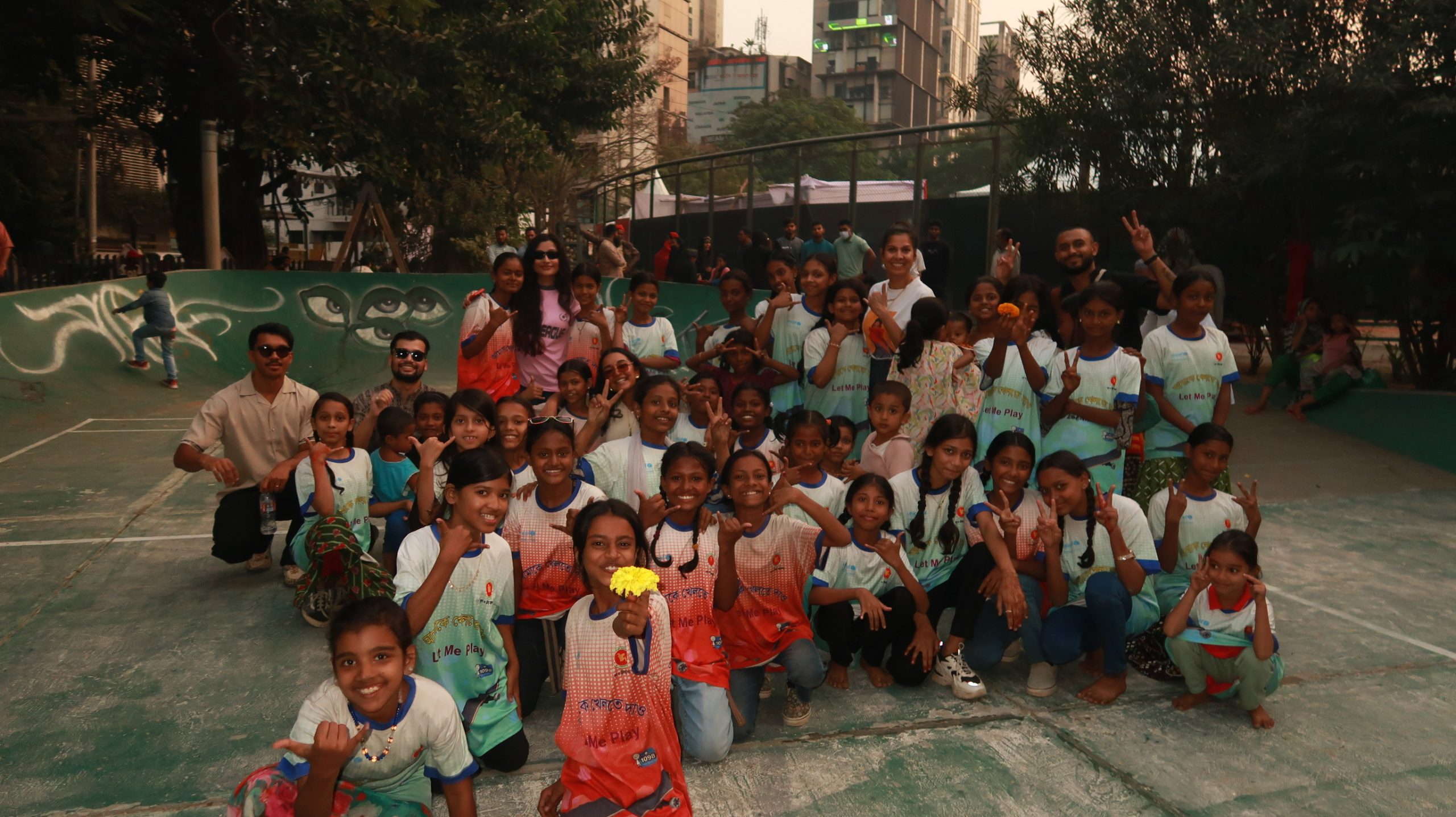
Kaynat added: “Pushpa wasn’t asking people to simply donate, it was asking us to build something together.
“The votes are strangely addictive. I find myself looking forward to seeing what project comes next.
“The only difficult part is choosing. Every time I vote, I end up wishing there was a way to support every single project.”
For Kaynat, the appeal is ultimately about agency over a connection that might otherwise fade.
She said: “Pushpa feels like a practical way of actively staying connected to Bangladesh and contributing to its future, rather than only looking back at our heritage.
“Most of us in the diaspora want to give something back. We just don’t always know the best way to do it.”
The instinct to pool rather than send alone is not new. The UN itself notes that migrants have long organised into hometown associations which collectively raise money and choose local development priorities back home, from clean water to irrigation.
What is new in Pushpa’s version is having a democratic vote open to every member, a published ledger, a formal due diligence process and a paid verifier on the ground.
It is the hometown association rebuilt for a generation which grew up online and expects to see the receipts.
Building the bridge
There is something different in what Pushpa asks of its members – to redirect a portion of the most personal money there is, the money you send home, into a collective pot governed by strangers who feel like family.
For Zaynab, who carries British, Pakistani and Bangladeshi threads in one identity, that is precisely the point.
She said: “There is no reason why they have to fit into one place when they can fit into every place.”
On June 16, the UN will call on the world to turn remittances into engines of development.
In a volunteer team scattered across London, and now one verifier on the ground in Bangladesh, that future is already being assembled.
Their slogan makes the pitch in four words: root for your roots.
Feature image: Pushpa


Join the discussion