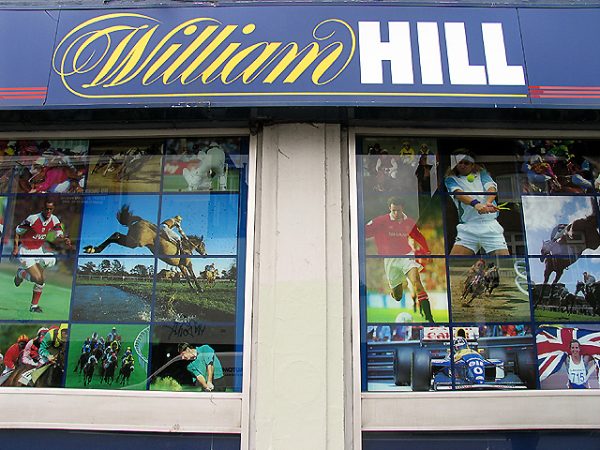
A cluster of boroughs in north east London has higher estimates of gambling-related harm than other parts of the capital, according to new data from the National Institute for Health and Care Research (NIHR) Policy Research Unit in Addictions.
Newham, Tower Hamlets, Hackney, and Barking and Dagenham have higher estimates across all three measures of gambling harm than other London boroughs, the Local Authority Small Area Estimates of Gambling study has shown.
The same boroughs are the four most deprived in London, according to the Ministry of Housing, Communities and Local Government’s 2025 Indices of Deprivation.
Professor James Orford, Emeritus Professor of Clinical and Community Psychology at the University of Birmingham, said: “Local authorities ought to take this very seriously.”
The Index of Multiple Deprivation (IMD) is the official measure of deprivation in England, scoring local authorities across seven domains, including income, employment and crime.
The NIHR Policy Research Unit in Addictions study, published in August, contains gambling estimates for every English local authority, including estimates for three different measures of gambling harm: harm caused by someone’s own gambling, harm caused to others by someone’s gambling, and scores on the Problem Gambling Severity Index (PGSI).
It defines gambling harm as the negative impacts caused by gambling on areas like health, finances, and relationships.
Orford said the findings reflected the established relationship between deprivation and public health.
He said: “The more deprived an area, the more gambling there is going to be in that area, and the more people will tell you they are experiencing harm from it.
“And similarly, experiencing harm from other people’s gambling as well.”
He said the findings were significant in London, where high wealth inequality means the city’s least wealthy residents live “cheek by jowl” with its richest.
He added: “People who are living in deprivation, but living in deprivation in an area that is very unequal, are particularly at risk.”
In London, the 10% of people with the highest wealth hold 44.3% of London’s total net wealth, while those in the bottom 10% hold none, according to the Trust for London.
Sarah Tipping, Research Associate in sociology at the University of Glasgow and author of the study, said the data should help councils develop local gambling policies.
She said: “There is this gap in evidence at local levels, so either you have very high levels of detail for things like a single treatment centre, or you have national figures.
“Councils are becoming increasingly responsible for planning local gambling prevention and treatment. They need information to do that, and we’ve produced something to fill that gap as best we can.”
Barking and Dagenham stands out in the data as having comparatively high estimates for both gambling participation and gambling harm.
A Barking and Dagenham Council spokesperson said: “We recognise that some residents can experience gambling-related harms, and the modelling suggests this may be linked to wider demographic and socio-economic factors such as age profile, deprivation and population diversity, which are known national risk factors.
“These are complex public health issues that require a coordinated response from local and national partners.
“We have established a multi-agency partnership group, joined the Coalition to End Gambling Advertising, taken part in targeted communications campaigns to raise awareness of gambling harms and reduce stigma, and are undertaking a Gambling Harms Health Needs Assessment to better understand local need and shape future support.
“We are also developing training for frontline staff to help identify and support residents who may be affected by gambling harms.”
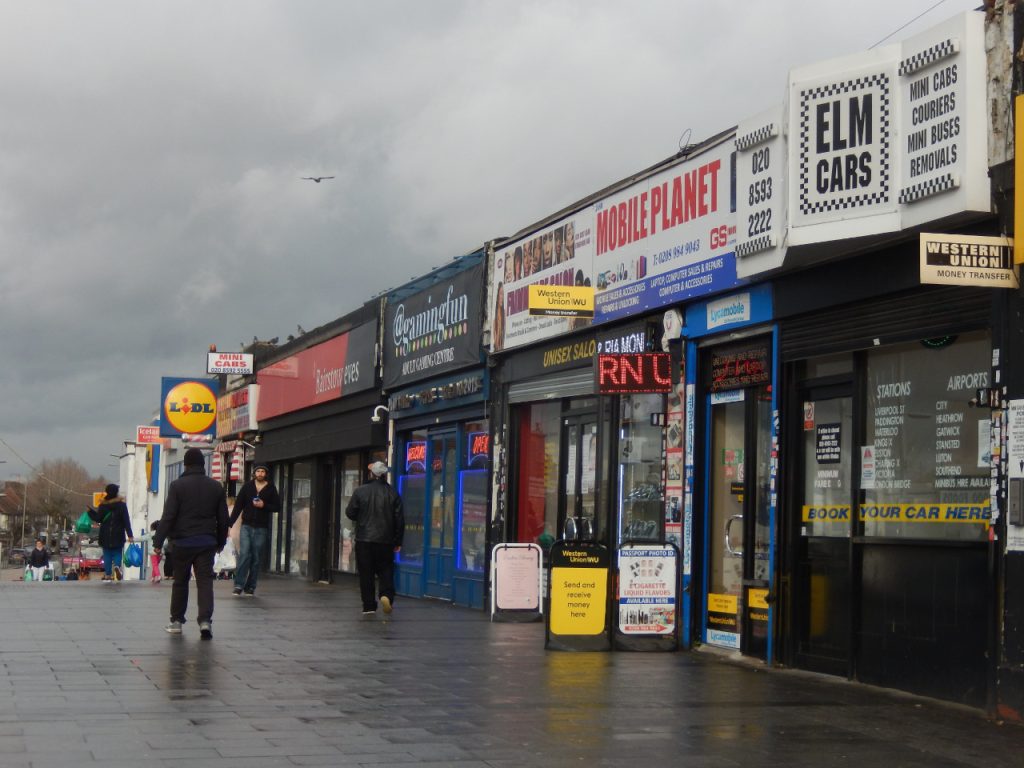
The study also raises questions about the concentration of gambling premises in deprived communities.
In August, Prime Minister Andy Burnham announced plans to scrap the Aim-To-Permit rule of the Gambling Act 2005.
The rule currently requires local authorities to aim to approve all applications for gambling premises.
Professor Orford said: “Research has established fairly clearly that betting shops and gaming centres are more likely to be in your area if you’re living in a relatively deprived area.
“If you’re relatively poor and you’re living in an area of deprivation, the inclination to gamble is right there. It’s in front of you.
“Under the Gambling Act, local authorities are not allowed to say: ‘we’ve already got an adult gaming centre in our area, we don’t want any more’.
“If the government is making it easier for local authorities to control gambling outlets in their area, I think local authorities will be very pleased.”
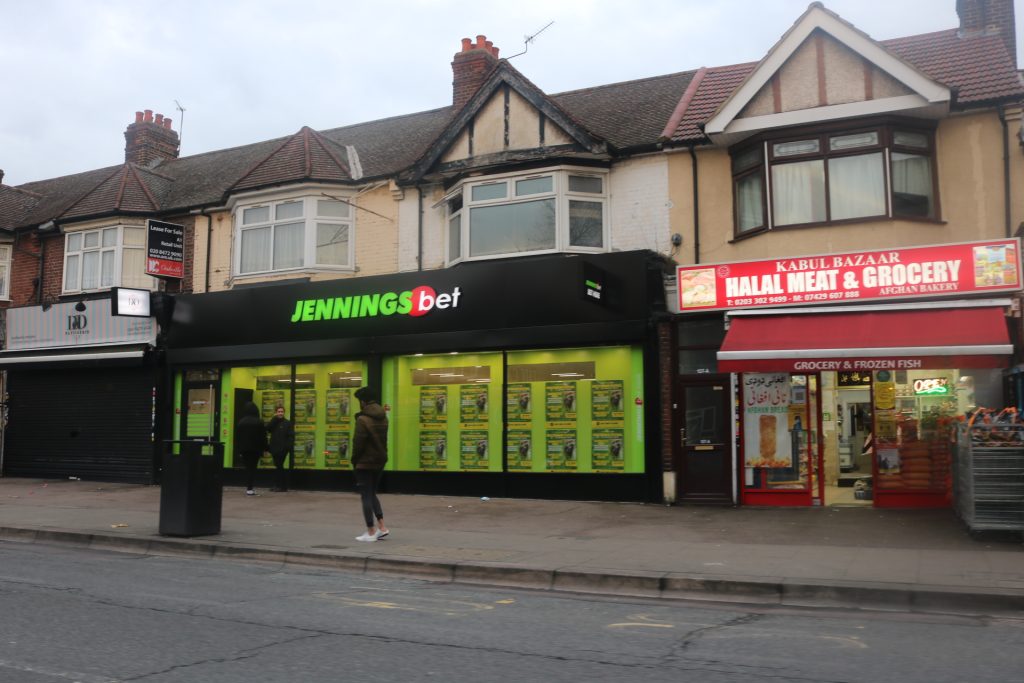
A spokesperson from the Department for Digital, Culture, Media and Sport said: “We are determined to give local people a real say in the make-up of their high streets and recognise concerns over the high concentration of gambling premises in some areas, particularly those with deprivation challenges.
“That’s why we are planning to scrap the Aim-To-Permit rule and will publish a consultation on the matter in due course. We have also introduced Gambling Impact Assessments, which came into force in October and will give local authorities more power to decide whether gambling premises are appropriate for their area.”
If you’re worried about how gambling makes you feel, you can find free, confidential advice, tools and support, by searching GambleAware or contacting the National Gambling Helpline, available 24/7, on 0808 8020 133
Featured image credit: Pam Brophy




Join the discussion